
DAYPASS MARKETS INSIGHTS
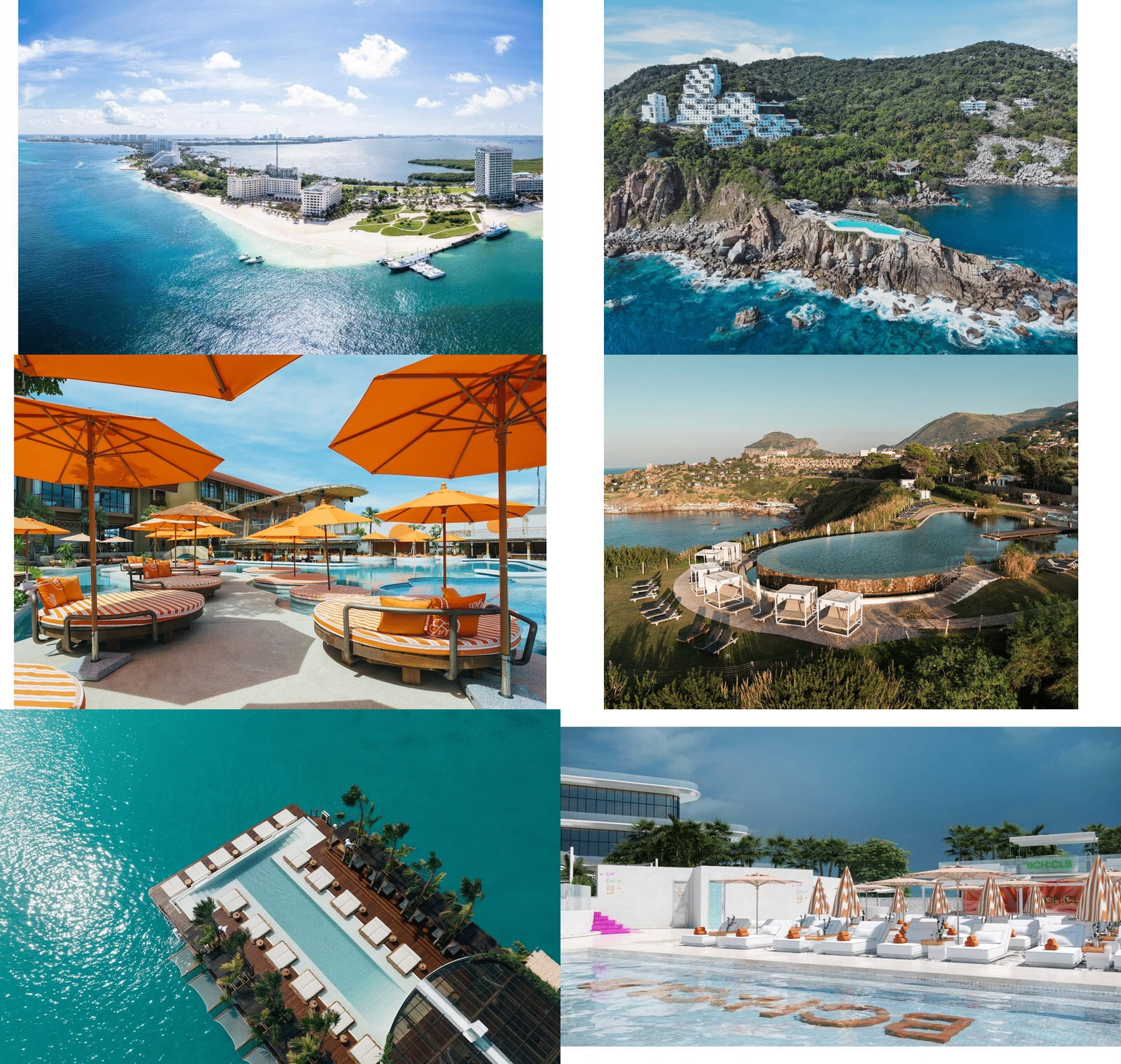
IBIZA, SICILY & MYKONOS ISLANDS
DAYTIME ACCESS IN HIGH-DEMAND MEDITERRANEAN DESTINATIONS
Mediterranean lifestyle destinations operate on intense seasonal demand and premium experience consumption. Ibiza, Mykonos, and Sicily attract affluent travelers, yacht guests, villa renters, and day visitors seeking beach, wellness, and leisure environments beyond traditional overnight stays.
Despite strong peak occupancy, hotels frequently experience underused daytime capacity across pool decks, beachfront areas, cabanas, and wellness facilities, especially during shoulder hours and arrival/departure days.
Structured daytime access allows properties to:
• monetize premium amenities during shoulder hours
• capture demand from yacht charters and private villa rentals
• attract high-spending cruise passengers seeking refined environments
• welcome seasonal nomads and remote professionals based on the islands
• serve bleisure travelers extending short business stays into leisure time
Mediterranean cruise ports deliver a continuous flow of visitors. Many seek controlled, premium environments away from crowded public beaches during limited shore time.
At the same time, remote professionals and long-stay travelers increasingly base themselves in Mediterranean destinations for months at a time, often in accommodations without resort-level amenities.
When positioned as a curated lifestyle experience aligned with the destination’s aspirational identity, controlled daytime access enhances exclusivity while unlocking additional revenue from experience-driven visitors.
PHUKET & KOH SAMUI
COASTAL THAILAND’S DAYTIME EXPERIENCE ECONOMY
Phuket and Koh Samui have evolved into hybrid tourism ecosystems combining leisure travelers, long-stay visitors, digital nomads, and regional weekend visitors from across Asia and the Middle East.
Resort infrastructure is extensive, yet pool areas, beachfront lounges, and wellness facilities remain underutilized outside peak occupancy windows and seasonal high periods.
Hotels are monetizing controlled daytime access to:
• capture demand from villa and Airbnb guests lacking premium amenities
• attract digital nomads seeking high-quality daytime environments
• welcome cruise passengers arriving through Phuket port
• serve bleisure travelers combining business obligations with recovery time
• increase spa, wellness, and F&B utilization during off-peak hours
Thailand hosts one of the world’s most established digital nomad communities. Many stay in private accommodations but actively seek wellness, relaxation, and hospitality-grade environments during the day.
Cruise arrivals and regional short-haul travelers further contribute to short-duration luxury demand.
Structured access allows properties to convert these overlapping demand streams into incremental revenue while maintaining brand positioning and operational control.
PUNTA CANA & LA ROMANA
MAXIMIZING RESORT CAPACITY IN THE DOMINICAN REPUBLIC
Punta Cana and La Romana host large-scale resort infrastructure built to accommodate peak occupancy cycles. Yet shoulder periods, seasonal shifts, and tour operator variability often leave significant amenity capacity underutilized.
Pools, beachfront zones, cabanas, and wellness facilities continue to incur operating costs regardless of occupancy levels.
Structured daytime access enables resorts to:
• monetize unused infrastructure during low occupancy periods
• capture cruise passenger demand arriving via La Romana port
• attract regional visitors and expatriate communities
• serve remote workers and long-stay travelers outside resort properties
• provide premium environments for bleisure visitors extending stays
Cruise passengers represent a high-value segment with limited shore time and strong interest in controlled, comfortable environments. Many seek an alternative to crowded public beaches or unstructured excursions.
Meanwhile, the rise of extended-stay travelers and remote professionals in the Caribbean has increased demand for short-duration access to premium amenities.
By structuring controlled access, resorts diversify revenue streams while preserving guest experience, protecting operational flow, and reducing reliance on wholesale distribution channels.
CANCUN & QUINTANA ROO
CAPTURING DAYTIME DEMAND IN A HIGH-DENSITY RESORT CORRIDOR
Cancun and the Riviera Maya represent one of the world’s most dynamic resort ecosystems, blending all-inclusive tourism, independent travelers, cruise passengers, and an expanding remote worker population.
Even with strong occupancy, beachfront loungers, pools, cabanas, and wellness facilities often remain underutilized during weekdays, shoulder seasons, and midday periods.
Structured daytime access enables hotels to:
• capture demand from cruise passengers arriving in Cozumel and Costa Maya
• attract travelers staying in nearby vacation rentals and private villas
• serve digital nomads and remote professionals based in the region
• welcome bleisure travelers extending work trips into leisure time
• increase weekday utilization of spa, wellness, and F&B facilities
Remote work adoption has accelerated long-stay visitation throughout Quintana Roo, while cruise traffic delivers a steady flow of short-duration visitors seeking premium beachfront environments.
Many travelers staying off-property actively seek controlled, high-quality spaces that provide comfort, service, and security unavailable in public areas.
Hotels that structure controlled access transform idle capacity into a high-margin revenue stream while maintaining positioning, managing flow, and protecting guest satisfaction.
