
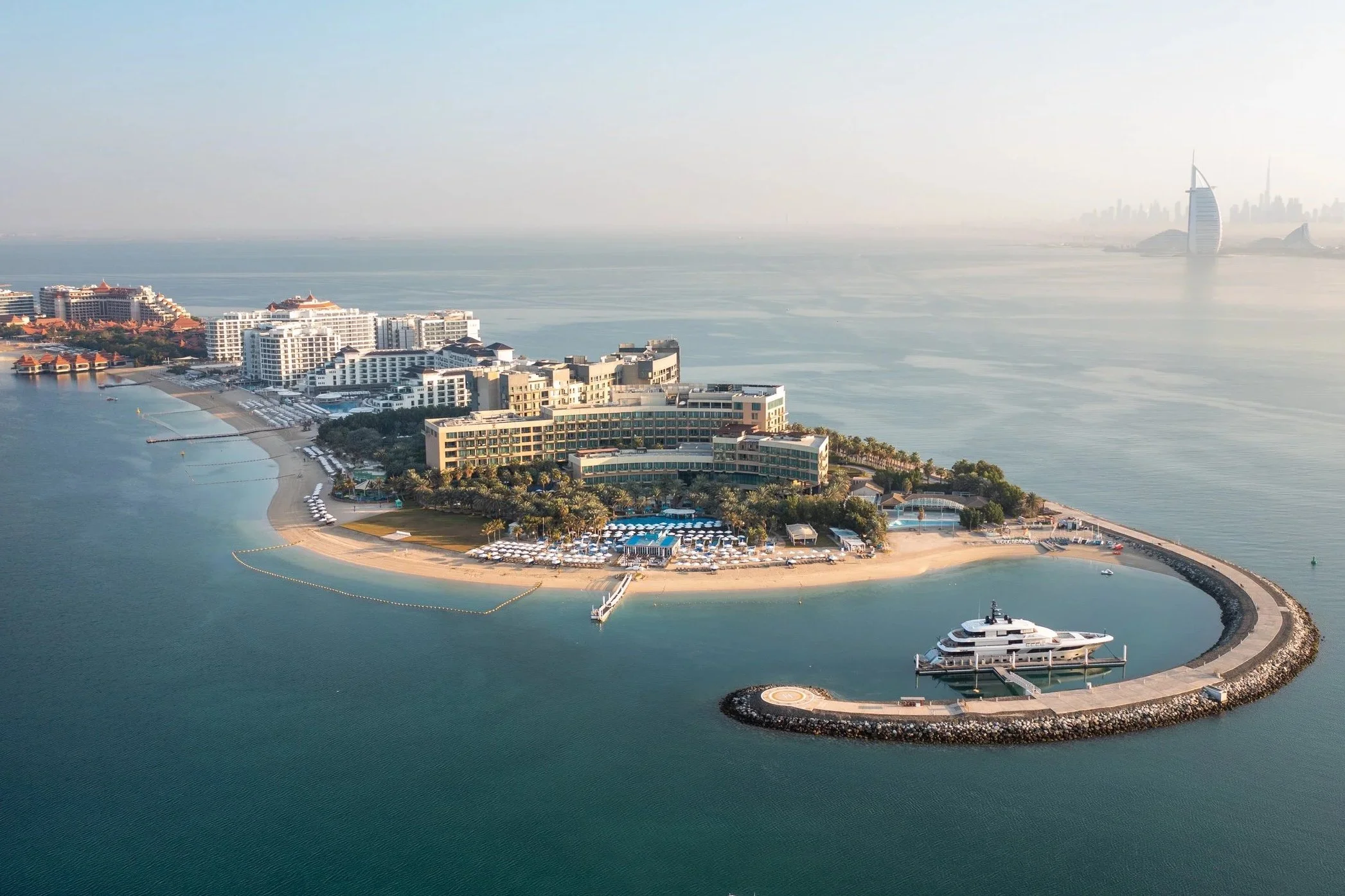
Dubai’s luxury hotels operate in one of the most competitive hospitality environments in the world.
Occupancy performance is strong, yet revenue pressure continues to rise as operating costs, distribution fees, and guest acquisition expenses increase.
The paradox is simple: hotels optimize room revenue while large portions of premium amenities remain under-utilized for significant parts of the day.
Pools sit half empty on weekdays. Beachfront loungers remain unused outside peak hours. Spa and wellness facilities operate below capacity between appointments.
These spaces were built to create value. When idle, they quietly leak revenue.
A growing number of Dubai properties are monetizing controlled daytime access to these amenities, transforming underused capacity into a premium revenue stream without compromising brand positioning.
UNDERSTANDING UNUSED DAYTIME CAPACITY
Even high-performing properties experience predictable gaps:
• weekday pool underutilization
• shoulder-hour spa availability
• low daytime occupancy during summer months
• underused cabanas outside peak tourist cycles
This unused capacity represents revenue per square meter that is already built, staffed, and maintained.
The incremental cost of welcoming a limited number of daytime visitors is minimal compared to the revenue potential.
WHAT LEADING DUBAI HOTELS ARE DOING DIFFERENTLY
Rather than discounting rooms or relying solely on F&B promotions, forward-thinking properties are structuring controlled access programs for non-resident guests through one-time access or memberships.
These programs allow visitors to enjoy:
• pool and beach access
• spa and wellness facilities
• private cabanas
• fitness centers
• daytime staycation experiences
The focus is not volume. It is controlled access at premium pricing aligned with the hotel’s positioning.
This transforms amenities into revenue-generating assets while preserving exclusivity.
LIFESTYLE POSITIONING, NOT DISCOUNTING
Dubai’s hospitality market is highly sensitive to brand perception. Successful programs avoid the discount trap.
Instead, hotels position daytime access as:
• a luxury lifestyle experience
• a wellness retreat
• a weekday escape
• a premium staycation alternative
• a corporate recharge environment
When framed correctly, access enhances brand desirability rather than diluting it.
Many properties discover that daytime visitors later convert into:
• overnight stays
• spa memberships
• F&B loyalty
• private events and celebrations
REVENUE POTENTIAL SCENARIOS
While performance varies by property type and positioning, structured daytime access programs commonly unlock:
• new ancillary revenue streams
• higher F&B spend from visitors
• weekday demand smoothing
• incremental spa utilization
• increased visibility among affluent residents
Urban luxury hotels in Dubai often see strong demand from:
• residents seeking weekday escapes
• staycation consumers
• wellness-focused clientele
• remote professionals seeking premium environments
• corporate clients hosting informal meetings
This demand exists year-round and complements tourist occupancy cycles.
PROTECTING THE GUEST EXPERIENCE
Operational control is essential. Successful properties maintain strict safeguards:
• limited daily inventory allocation
• advance reservations only
• premium pricing thresholds
• dedicated access zones when needed
• clear service boundaries
• brand-aligned guest screening
These controls ensure resident guests continue to experience exclusivity and service quality.
IMPLEMENTATION CONSIDERATIONS
Before launching, hotels evaluate:
• capacity thresholds and peak occupancy patterns
• staffing implications and service flow
• liability and insurance coverage
• guest journey and access routing
• pricing strategy aligned with positioning
• technology for inventory control and booking
Digital distribution and inventory management tools allow hotels to automate access control while maintaining operational oversight.
WHY DAYTIME ACCESS IS GROWING IN DUBAI
Several market dynamics are accelerating adoption:
• a growing resident population with high disposable income
• increased flexible work lifestyles
• strong wellness and lifestyle consumption trends
• demand for luxury experiences without overnight stays
• seasonal occupancy fluctuations
Daytime lifestyle consumption is becoming structural behavior rather than a temporary trend.
FROM UNUSED SPACE TO REVENUE ASSET
Dubai hotels have invested heavily in world-class amenities designed to inspire, impress, and differentiate.
When these assets sit idle, they generate cost without return.
Structured daytime access transforms them into controlled revenue engines while reinforcing brand desirability and expanding local market reach.
Hotels that adopt this model early position themselves at the forefront of luxury lifestyle hospitality.
DayPass works alongside hotels to design, control, and distribute these access programs while protecting brand positioning and guest experience.
The objective is simple: transform unused capacity into measurable revenue while preserving exclusivity and operational control.
Forward-thinking properties are already moving.
